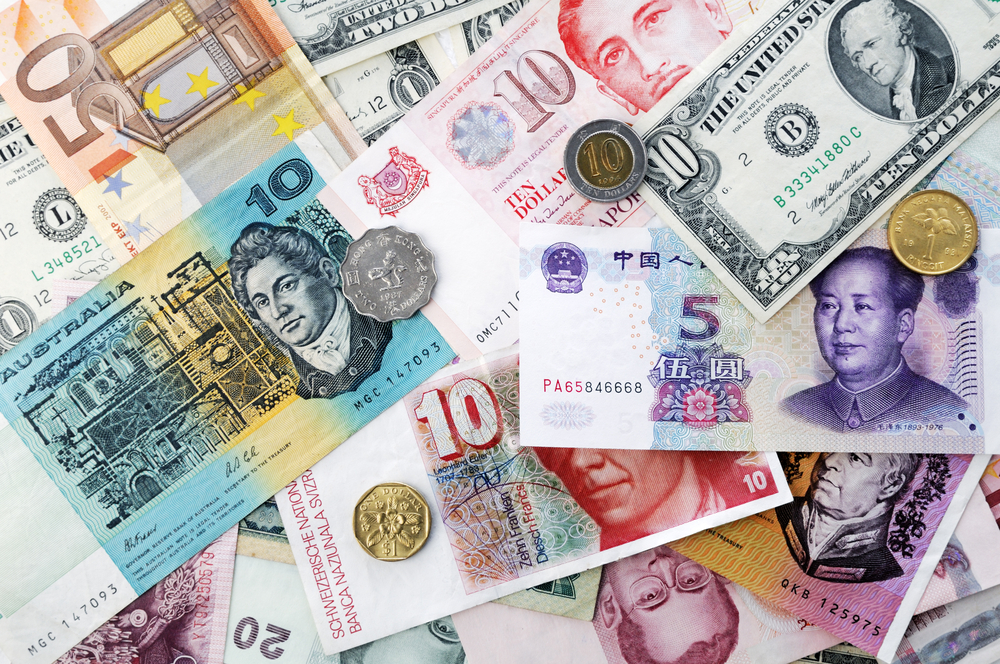

Current Exchange Rates 10 Top Tips
Understanding the current rates of exchange is essential for every financial plan no matter if you are traveling abroad, doing international business or managing investments in foreign currencies and so on. Exchange rates determine the amount one currency is worth relative to another and can significantly influence costs, pricing strategies and the total worth of investments. The fluctuation of exchange rates could affect your travel expenses, your profitability in business transactions, and the amount you receive from your portfolio of investments. To better understand how to deal with this issue there are ten essential tips for controlling exchange rates.
1. Real-time exchange rates to keep you updated
The ability to keep track of the latest exchange rates is crucial for making informed decisions about exchange rates. To get the most current rates, visit trustworthy websites for financial services or currency conversion apps or the bank's website services. Websites like XE.com, OANDA and others provide current information to help businesses and travelers create budgets and prices. If you're contemplating a trip to Europe For instance, knowing the current exchange rate for the euro will help you manage your expenses and avoid surprises.
2. Understanding the spread of bid-ask
The bid/ask spread is the difference between the prices at which currency can be bought (ask price), and traded (bid price). The spreads may differ greatly among different exchange providers and financial institutions. A narrower margin is usually more beneficial, since it means you will get the best exchange rate when you exchange currencies. The spread, for example is 0.05 when a bank has the USD-to- EUR bid of one and an EUR asking price of 1.5. You can make better decisions when you know about this spread.
3. Utilize Online Currency Conversion Tools
Online tools for conversion of currencies and apps are essential to effectively manage exchange rates. Services like Wise (formerly TransferWise) and Revolut not only provide instant rates but also let users to convert currencies at competitive rates with low charges. They also offer features such as rates alerts and historical data which help you identify trends. You can, for example make an alert every time you check the USD to JPY rate so that you're notified of a favorable rate.
4. Assess currency risk for investment and business
Risk of currency and exchange rate volatility can significantly impact international business profits and investment returns. Changes in exchange rates could change the value of sales, contracts, and investments. Look into strategies for hedging to lessen the risk. They involve making use of financial instruments to secure the future rates of exchange. A company that imports goods to Europe could use the future contract to lock-in the current rate, and thus protect its profit margins.
5. Learn about fees and charges.
Different banks or exchange companies charge different fees for currency conversion. This could include transaction costs, service fees and commissions that can affect your earnings or raise your travel expenses. Make sure you know about any fees before you exchange currency. Credit cards are accepted by travelers without foreign transaction fees or ATM cards for international transactions to obtain the most favorable exchange rate. Compare rates and fees of various providers to find the most competitive price.
6. Timing Your Currency Exchange
– The timing of your currency exchange could dramatically affect the amount that you get. Currency values change based upon economic news and geopolitical events. The monitoring of these elements can help you determine the best timing to convert currencies. If the currency of a country is predicted to increase in strength after it announces positive economic data and you are able to see that, you might want to delay converting. Knowing the market and keeping up with global events will allow you to make better financial decisions whether you're an investor or a traveler.
7. Diversify your currency holdings
Diversifying your currency position can shield both businesses and investors from fluctuations. Multi-currency investments offer protection from negative fluctuations in currency. This strategy is especially beneficial for businesses operating in various international markets, allowing more flexibility in pricing and payments. For instance, a U.S.-based investor might hold euros as well as British pounds to take advantage of potential currency appreciation. Diversification can help reduce the risk associated with currency fluctuations.
8. Make use of local currency when traveling
– When traveling abroad ensure that you use the local currency to make transactions. When you pay in your home currency, it usually results in poor exchange rates as well as additional charges that can lead to increased costs. Additionally that using local currency when withdrawing cash at ATMs can result in better rates as ATMs generally offer more favorable rates than exchange counters. To avoid spending too much during your trip, you should research the currency in your country prior to your departure and be acquainted with exchange rates that are common. This will help you better manage your budget.
9. Research Economic Indicators
Indicators of economic growth such as inflation rates, interest rates, and GDP can be used to forecast changes in the currency. As an example, a currency that is weaker against another country may be affected by high inflation nation. Knowing these issues can help investors and businesses make informed choices about currency exchanges. Be aware of economic forecasts in order to enhance your ability of navigating the market for foreign exchange. These can be tracked using economic calendars and other reports.
10. Get financial advice from experts when it comes to major transactions
Whenever you have to make significant transactions or manage large sums, consulting an expert in the field of currency or a financial expert is a good option. These professionals can offer tailored guidance based on your specific situation and assist you in dealing with the foreign exchange market. It is crucial for investors or businesses that have a presence in international commerce and wish to minimize the risk. You can make more educated decisions and even save money by consulting experts.
Consider these tips to aid you in understanding current exchange rates. Whether you're planning your excursion, running your company, or monitoring investments, you will be able to navigate the complexity of the current rates. Being aware and strategically when it comes to currency conversions will lead to better results and greater success for international engagements. Understanding exchange rates allows you to make smarter financial decisions which are in line with your own personal and business objectives. Follow the most popular currency converter for more tips including yen to usd, doller to rupee, euro to dollar, usd to rmb, convert gbp to usd, rs to usd, usd to rs, usd to mxn, indian rupees to usd, 1 usd in rupees and more.
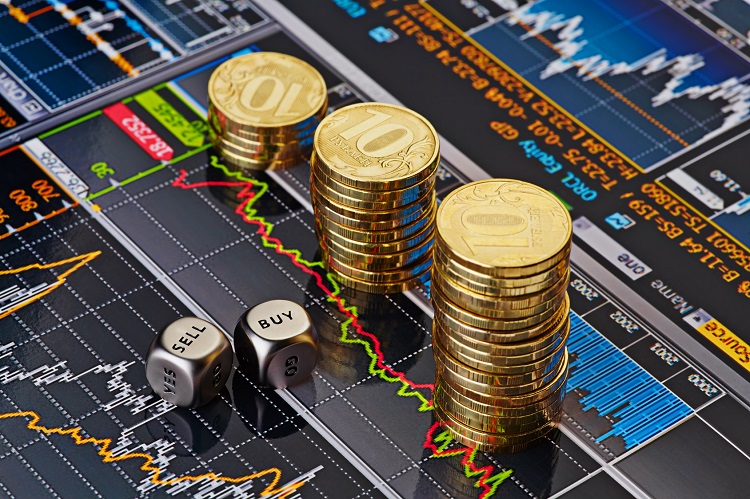
What Are The Best Methods Of Payment In Terms Of Currency Exchange Rates?
In today's globalized economy, it's crucial to select the most suitable method of payment in order to manage your financial transactions effectively whether you are you are traveling abroad, running the business or monitoring investments. The selection of a payment method will significantly impact the cost, ease of use, and security. The fees, exchange rates and acceptance levels of different payment methods can influence your overall experience. Understanding the specifics of payment methods will empower you to make informed choices that align with your goals. Here are the top ten specific tips to choose and utilizing payment methods effectively in your financial endeavors.
1. Learn more about the many payment options available
Find out more about the many payment options available. They include mobile and cash payments, and digital wallets. Each payment option has advantages and disadvantages in terms of convenience, acceptance and charges. Cash is everywhere, but it's not always convenient or secure for large transactions. Knowing the pros and cons of each option can help you select the right one for your situation.
2. Think about Conversion Costs
When you use debit or credit cards to make international transactions, be aware of the currency conversion fees that may apply. The charges can vary greatly between banks or credit card companies. Some cards charge fees for international transactions, while others charge a fee for international transactions. If you're planning to travel abroad or make purchases in another country, call your bank or credit card provider prior to your trip to find out their policies regarding currency conversion charges. Select cards that will lower these fees.
3. Use Credit Cards with No Foreign Transaction Costs
If you are planning to travel internationally or purchase in foreign currencies, opt for a credit card that don't charge foreign transaction fees. A number of credit cards designed for travellers have this option. It lets you make purchases overseas without paying charges. This can mean significant savings, particularly for frequent travelers who may also be purchasing large amounts overseas.
4. Make use of mobile Options for mobile phones
– Mobile payment options, including Apple Pay, Google Pay as well as others digital wallets offer a convenient way to make transactions without carrying cash or cards. These services have enhanced security features like biometric authentication and tokenization, making it a safe option for both online and in person transactions. If you can pay with mobile you can use it to reduce your transactions.
5. ATM fees Pay attention to them when you withdraw cash
If you're on the road and you need to withdraw cash from an ATM Be aware that fees may vary. Some banks charge fees when withdrawing funds abroad, whereas other banks may work with local banks to provide fee-free withdrawals. Researching ATM networks that provide low fees will help you save money when you withdraw cash abroad. You can also make withdrawals of greater amounts in order to reduce transaction fees.
6. Plan for alternative payment methods
If your primary method of payment doesn't work or is lost having a backup plan is crucial. Have a backup card (credit/debit) and cash, or a method for mobile payments in your wallet to make purchases. This is particularly important when traveling, as certain areas may not be able to accept all payment methods. Make sure you are prepared for unexpected situations.
7. Monitor Exchange Rates to Make Better Options
Keep an eye on the exchange rate while making purchases using foreign currency so that you can make educated decisions about which payment method or change your cash. Using tools and apps that track exchange rates live will allow you to find the most favorable conditions when converting currencies. This knowledge will help you make a decision about your method of payment.
8. Be aware of security features
Security should always be considered when deciding on payment methods. Review the security features offered by your credit card, bank provider, or payment processor. Take into consideration options that provide security against fraud, alerts on transactions, and encryption technology. When you choose secure payment methods you will be able to protect yourself from fraudulent transactions and risk of transactions. This is crucial when you shop online or in overseas countries.
Review Payment Policies for Business
Understanding the payment policy is essential for business owners who want to manage cash flow and customers transactions. It is important to compare various payment processors in terms of their acceptance rates, charges, and features. Select a payment option that aligns with your company's goals, regardless of whether you value lower transaction costs, speedy processing times, or convenience. Payment methods can increase the customer experience and reduce costs.
10. Inform yourself about investment payment methods
Understanding the different payment options is essential for investors. Different brokerage platforms offer various options to fund your account or executing transactions. Know about the costs and processing times that are for each method. You may also want to consider how margins or leverage could affect the overall strategy.
By following these detailed suggestions on payment methods you will be able to navigate the maze of traveling, conducting business, and monitoring your investments more efficiently. Knowing the options available along with the associated fees and security features will enable you to make smarter choices in your financial life that are compatible with your goals. A good payment method will improve your experience, assist you save money as well as give peace of mind when it comes to your finances. Follow the recommended the full details about eur huf for website tips including usd to jpy, pesos to us dollars, us dollar to colombian peso, usd to rs, dollar to won, us dollar to japanese yen, 1 usd in rupees, dinar guru, inr to usd, dollar to euro and more.